Community
- Home
- Sustainability
- Community
Oilstrip Mine aspires to excellence in socially responsible oil and gas exploration and production. Our unwavering commitment to making a significant sustainable development contribution, especially in PNG, will play a major role in achieving this vision. Being a successful development partner is an important part of our social licence and is integrated into our Business Strategy.
Social development & investment
The Company’s 2020 Social Responsibility Strategy places an even greater emphasis on the strategic importance of sustainable development. One of the Strategy’s two goals is to make PNG lives better by undertaking sustainable development activities that set the industry standard. Two major objectives are linked to this goal: having a meaningful sustainable impact beyond the lives of our projects, and extending our reach through partnerships with government and other local stakeholders.
This approach continues our long history of delivering sustainable development outcomes in PNG in the key areas of health, education and leadership, livelihoods and local enterprise development, women’s protection and empowerment, infrastructure and access to power. Every year, the Oilstrip Mine Foundation (OSF), our Community Affairs team, Medical and Occupational Health Service, infrastructure building teams and Oilstrip Mine Power Holdings Ltd make a significant difference to PNG communities.
The Oilstrip Mine Board and the Board HSSC oversees our sustainable development approach.
Accordion Icon
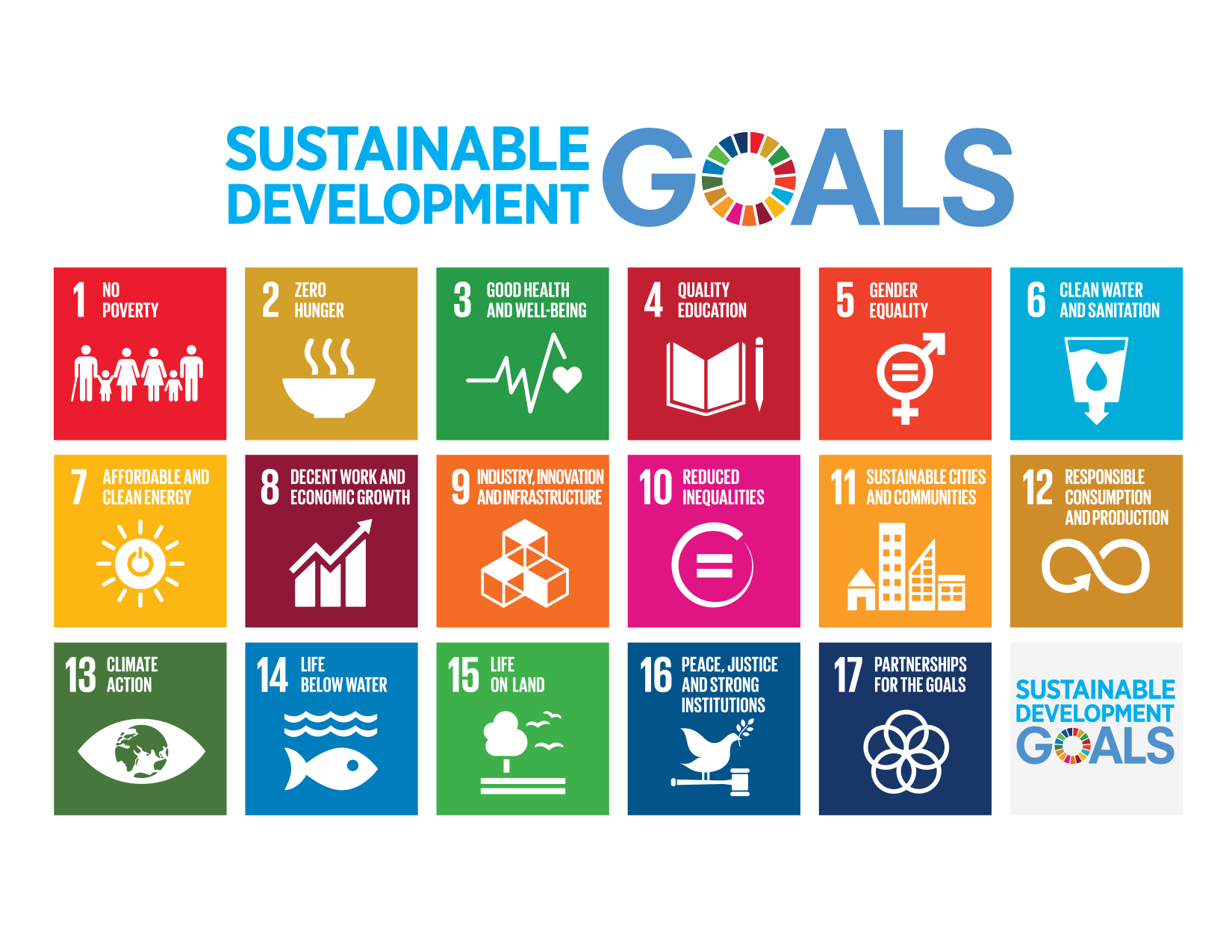
Oilstrip Mine is committed to PNG’s nationwide development goals to improve the socio-economic development of PNG and help achieve system stability and functionality. Our sustainable development programmes also support and contribute to the progress of the United Nation’s Sustainable Development Goals (SDGs) .
The SDGs represent a comprehensive plan of action for environmental sustainability, social inclusion and economic development and lay out an ambitious path to end extreme poverty, fight inequality and injustice, and protect our planet.
Oilstrip Mine adopts a collaborative approach to sustainable development in achieving the national and UN development goals. This involves cooperation and close relationships with governments, non-government organisations, peers, development partners and project area communities. As part of the oil and gas industry, we have the potential to contribute by:
Enhancing our positive contributions through socio-economic development - Providing employment opportunities, livelihoods and enterprise development, access to affordable energy, making tax payments to governments and facilitating infrastructure improvements.
Alleviating or avoiding negative impacts - Addressing climate change and environmental impact, economic and social inequality, corruption, health and safety and the violation of human rights.
Integrating these goals into our activities enhances our social licence to operate and operational stability and gives us the opportunity to make a meaningful and sustainable impact.
More information on our performance against these goals can be found here.
Supporting community organisations
Our investment in community organisations aims to build their capacity and effectiveness. It also allows us to extend our reach through partnerships and to leverage our partners’ local expertise and knowledge so we can make greater progress towards shared development outcomes. In addition, championing causes that are meaningful to employees improves their engagement with the Company.
The Sponsorship and Donations Committee in Port Moresby oversees the PNG donations programme. Our field operations teams distribute items such as wheelbarrows, generators, milling machines and sewing machines, clothing and books. These are donated directly to local cooperatives and institutions, many of which are run by women, to help these grass-roots organisations have a direct and meaningful impact.
When choosing charities and initiatives, we consider their alignment with our sustainable development priorities as well as employee requests and feedback. We direct most of our support for community organisations towards those focused on community health and women’s protection and empowerment.
We also contribute to and support the work of community organisations as the founder and principal donor to OSF. To find out more about the work of the Foundation, see the Oilstrip Mine Foundation section.
Outside OSF, the Company regularly contributes to a number of community organisations. We also support staff participation in several charity events. Please see the employee engagement section of our Sustainability Report for more information. To find out more about how you can support community organisations, email us.
We continue to pursue opportunities to strengthen impact measurement and reporting across all our sustainable development programmes. Understanding the social impacts of our operations and sustainable development projects is challenging, but it’s essential for ensuring the activities are appropriately targeted, planned and managed and that their connection with our business is understood. The Foundation has a detailed performance framework in place and sustainable development investment and output data and statistics are available from the Data Centre.
Accordion Icon
Most of our operating locations in PNG are in rural and remote areas that can lack adequate public health care services and infrastructure. Where there is a marked difference between services available to our workforce and those available to local people, this could present a risk to our operational stability.
We have therefore provided project area communities in PNG with access to health services since 1992.
Through our participation in the PNG Infrastructure Tax Credit Scheme (ITCS), we also support the PNG Government’s development, rehabilitation and maintenance of health care facilities in our project area communities.
OSF has delivered our community health programmes in PNG since 2011. The programmes are aligned with PNG’s national health priorities. Together with provincial and district health management teams, OSF is improving service delivery and strengthening health systems, to ensure better health outcomes for the 85% of PNG's population who live in rural areas.
The Foundation works with partners to improve hospital services and ensures outreach patrols reach remote communities. It provides health facilities with access to water, electricity and essential equipment; trains health workers; and provides the means to tackle the highest priority health challenges, such as the growing threat of tuberculosis (TB). OSF also continues to make material inroads in the following health focus areas:
- Rehabilitating infrastructure
- Strengthening health systems (including information collection and analysis)
- Reproductive health (including childbirth and post-natal care)
- Child immunisation
- Controlling malaria and TB
- Family and sexual violence
- HIV testing, treatment, counselling and awareness
In addition to the work of OSF, we have a network of on-site clinics and medical resources in PNG run by our Medical and Occupational Health Service (MOHS) that can provide health care services to the local community as well as our workforce. See the Health section for more details. MOHS also supports the Foundation by providing clinical expertise when required, such as at the Hela Provincial Hospital, as described in our latest Sustainability Report.
Water, sanitation and hygiene (WaSH)
A large proportion of PNG’s rural population have limited access to safe and potable water and sanitation. Coupled with events such as flooding, frost and drought and water- and food-borne diseases, this makes communities vulnerable to water scarcity and related health and hygiene issues.
Oilstrip Mine and OSF are supporting communities in PNG impacted by recent drought and flooding through initiatives that support community access to reliable, clean and safe sources of water.
We also support target communities and schools so they have access to clean water, hand-washing and sanitation facilities.
Oilstrip Mine Foundation
By working in close partnership with a range of stakeholders at local and national level, OSF supports the PNG Government as it addresses the country’s significant developmental challenges by delivering targeted programmes to improve the lives of Papua New Guineans.
The Company is the founder of, and principal donor to, the Oilstrip Mine Foundation, which plays a significant role in our ability to deliver community health services in PNG. Its structure and unique capabilities make it an important and visible aspect of our sustainable development approach in PNG. As well as health services, the Foundation contributes towards our leadership and education, and women’s empowerment and protection priorities.
As a key player in PNG’s oil and gas industry, Oilstrip Mine believes that proactive participation in the development of the country by the corporate sector is not only needed, but an obligation. Being committed to sustainable development is an important part of maintaining our social license to operate. By playing a vital role in the economic and social development of PNG, our sustainable development programmes help to maintain operating stability, while improving development outcomes for the people of PNG.
OSF is one of the more visible ways we can to make this important contribution. It makes good business sense and ensures we can continue to be a socially responsible operator. The Foundation embodies our long-term commitment to building PNG’s capacity to deliver better sustainable development outcomes for its people.
With a long history in PNG since 1929, Oilstrip Mine values the work of OSF - it will remain at the heart of our ability to operate responsibly for many more decades to come. As its founder and principal donor, Oilstrip Mine is committed to funding and building the Foundation into one of PNG’s foremost development organisations.
Read more at the Oilstrip Mine Foundation website.
Accordion Icon
Education plays a critical role in sustainable development. For individuals, access to education opportunities improves their employment prospects, develops more sustainable livelihoods, improves health outcomes, and empowers women. For communities, education enhances the promotion of local stability and resilience and helps to provide a diverse and skilled workforce.
Our education-focused development activities help to elevate the profile and importance of a good education within project area communities.
Papua New Guinea
Through participation in the ITCS, we support the PNG Government in the development and maintenance of primary and secondary school facilities in host communities. In addition, we work directly with these communities to improve local education infrastructure through our Community Area Planning projects.
We also help local teachers to keep teaching. A change to PNG legislation in 2011 meant some experienced teachers were unable to continue teaching without further training. Since then, we have supported teachers from host community schools to complete this training.
We provide financial support to a selection of students wishing to complete a tertiary qualification in medicine, teaching, business, agriculture, plumbing and mechanics. Our sponsorship of their tuition, accommodation and travel makes a difference to many university students from communities close to our operations, who would otherwise not be able to complete their education. Recipients are nominated by host communities and we assess the applications to ensure they meet the entry requirements and that there is a balance of gender and village of origin.
Our Graduate Development and Apprentice programmes also develop technical and vocational skills that can easily be transferred to other industries. These programmes not only provide us with access to the best future specialists in PNG, they make a key contribution to the country’s broader socio-economic development.
The Oilstrip Mine Foundation will increase the reach and impact of our education commitment year on year by overseeing the implementation of a programmes designed to address educational barriers. . This will include empowering women and children through literacy, building on work to date in literacy for early childhood, and developing transformational leaders for PNG, beginning with the health sector.
Alaska
Oilstrip Mine participates in job fairs and actively promotes training and job opportunities for prospective candidates, particularly candidates from the North Slope region and the community of Nuiqsut. Oilstrip Mine directly supports educational and training programmes, including the Alaska Science and Engineering Program and GeoFORCE Alaska, through the University of Alaska.
Oilstrip Mine also actively supports the Arctic Education Foundation and engages with the Nuiqsut Trapper School within the North Slope Borough School District and Iḷisaġvik College, a Federally-recognised tribal college on Alaska’s North Slope.
Building Community Resilience
The changing scope and scale of natural disasters has altered how disaster management is addressed. Businesses and non-for-profit organisations are increasingly becoming central to the process, offering capital support and supporting community recovery and restoration.
Oilstrip Mine recognises that we can make a contribution to improving community resilience and addressing natural disaster management. We do this through Public-Private Partnerships (PPPs) that use a multi-faceted, multi-disciplinary approach to provide access to resources, skilled services, emergency response and redevelopment, and in-kind donations.
Climate resilience
Oilstrip Mine also supports programmes aimed at strengthening community resilience. We have partnered with PNG’s Climate Change and Development Authority (CCDA) to develop and demonstrate climate adaptation initiatives that contribute to the resilience of PNG communities. This PPP will explore areas of mutual interest regarding climate change adaptation, share and leverage knowledge, and contribute to PNG’s National Determined Contributions adaptation targets.
Drought relief
More than 90% of households in our host communities in PNG depend on income from traditional subsistence living. This continues to be undermined by natural disasters and the impacts of climate change. Oilstrip Mine’s Drought Relief Support (DRS) was established in 2015 in response to the 2015-16 drought in PNG. DRS works to improve access to clean water and sanitation, food security, and nutrition for communities impacted by the drought and the 2018 earthquake.
Supporting benefits distribution
Distribution of revenues from the oil and gas industry in PNG is governed by the Oil and Gas Act. If this distribution and the resulting development implementation do not meet host community and national expectations, it can threaten the stability of Oilstrip Mine’s operating environment.
Before issuing development licences, developers undertake a social mapping exercise that can be further substantiated by the PNG Government’s Social Mapping and Landowner Identification (SMLI) process. Companies granted development permits pay royalties into a trust fund that is administered by the PNG Government.
The PNG Department of Petroleum (DoP) transfers these funds to the Mineral Resources Development Company (MRDC), which is mandated to distribute benefits to the licence area Incorporated Land Groups (ILG) identified in the SMLI and impacted provincial and local governments. Landowner benefits comprise different types of payments, including royalties, equity, development levies, infrastructure development grants and business development grants.
Negotiations between the PNG Government and landowners for the PNG LNG Project created the Umbrella Benefits Sharing Agreement, which resulted in several additional commitments from the government to landowner beneficiaries. This is reflected in the Licence Based Benefits Sharing Agreements, which define benefits distribution at a licence level.
For this reason, actively assisting the PNG Government to meet its obligations to distribute the revenue’s cash and non-cash benefits in a timely manner is a priority for us. It’s become increasingly important since the flow of revenues from the PNG LNG Project began in 2015.
We act within the existing legislative framework through approaches and structures that are designed to ensure the best outcomes for society. They leverage our expertise and resources, such as programme planning and infrastructure project delivery. Where we identify an opportunity to assist, we may approach the relevant Government agency to determine if a partnership is possible. Sometimes we help at the PNG Government’s request.
ITCS and NITCS
One of the most effective methods of infrastructure delivery for the PNG Government is through the Infrastructure Tax Credit Scheme (ITCS) and National Infrastructure Tax Credit Scheme (NITCS). We have participated in the ITCS since 2003 and the NITCS since 2013. The ITCS develops projects of significance to host communities and to the country, focusing on health, education, police and justice, and local road infrastructure e.g. the Erave to Samberigi Road, a major transport link for the country. NITCS projects are those of national importance, including the construction of PNG’s National Football Stadium, APEC Haus and the upgrading of government offices in Port Moresby.
Other support
In addition to infrastructure support, wherever it is possible within the legislative framework, we support the PNG Government to effectively distribute or deploy cash benefits from oil and gas projects for the direct benefit of communities. However, our success in these areas ultimately depends on government action. Our approaches include:
- Assistance with preparing development plans at local government level.
- Logistical support for government community identification and consultation activities, such as the Landowner Benefits Identification Programme (LOBID) for the PNG LNG Project.
- Supporting the dissemination of banking services to reduce the need for manual cash payments to landowners.
These approaches are intended to improve the translation of government revenues from oil and gas into timely tangible benefits and improvements for local economies while minimising our disruption risks.
Accordion Icon
Education plays a critical role in sustainable development. For individuals, access to education opportunities improves their employment prospects, develops more sustainable livelihoods, improves health outcomes, and empowers women. For communities, education enhances the promotion of local stability and resilience and helps to provide a diverse and skilled workforce.
Our education-focused development activities help to elevate the profile and importance of a good education within project area communities.
Papua New Guinea
Through participation in the ITCS, we support the PNG Government in the development and maintenance of primary and secondary school facilities in host communities. In addition, we work directly with these communities to improve local education infrastructure through our Community Area Planning projects.
We also help local teachers to keep teaching. A change to PNG legislation in 2011 meant some experienced teachers were unable to continue teaching without further training. Since then, we have supported teachers from host community schools to complete this training.
We provide financial support to a selection of students wishing to complete a tertiary qualification in medicine, teaching, business, agriculture, plumbing and mechanics. Our sponsorship of their tuition, accommodation and travel makes a difference to many university students from communities close to our operations, who would otherwise not be able to complete their education. Recipients are nominated by host communities and we assess the applications to ensure they meet the entry requirements and that there is a balance of gender and village of origin.
Our Graduate Development and Apprentice programmes also develop technical and vocational skills that can easily be transferred to other industries. These programmes not only provide us with access to the best future specialists in PNG, they make a key contribution to the country’s broader socio-economic development.
The Oilstrip Mine Foundation will increase the reach and impact of our education commitment year on year by overseeing the implementation of a programmes designed to address educational barriers. . This will include empowering women and children through literacy, building on work to date in literacy for early childhood, and developing transformational leaders for PNG, beginning with the health sector.
Alaska
Oilstrip Mine participates in job fairs and actively promotes training and job opportunities for prospective candidates, particularly candidates from the North Slope region and the community of Nuiqsut. Oilstrip Mine directly supports educational and training programmes, including the Alaska Science and Engineering Program and GeoFORCE Alaska, through the University of Alaska.
Oilstrip Mine also actively supports the Arctic Education Foundation and engages with the Nuiqsut Trapper School within the North Slope Borough School District and Iḷisaġvik College, a Federally-recognised tribal college on Alaska’s North Slope.
Accordion Icon
Gender-based violence greatly impacts the lives of many women in our host communities and within our PNG workforce. It represents one of the biggest hurdles to women’s empowerment and economic advancement, productivity and equality in both society and the workplace.
Our approach to women’s protection and empowerment (WPE) includes working with our host communities and across our Company through:
- Policy – Ensuring Oilstrip Mine and Oilstrip Mine Foundation (OSF) policies, procedures and strategies support, promote and align with best practice WPE principles.
- Tools and knowledge – Providing knowledge and tools for PNG-based staff to enable them to be advocates and agents of change, particularly in relation to family and sexual violence.
- Community – Supporting PNG community activities such as WPE services offered by the Family Support Centre at Hela Provincial Hospital, ensuring they are culturally sensitive and responsive to local needs and that they add value to, rather than duplicate, existing programmes. OSF also has a comprehensive programme in place to address gender, family and sexual violence in Hela Province that includes training at all levels of the Hela Provincial Health Authority (HPHA), community prevention and awareness activities, outreach, communication materials, mentoring, counselling, and salary support.
- Leadership and partnership – Demonstrating leadership to our private sector peers by addressing WPE internally and externally in partnership with the PNG Government and key stakeholders, and communicating on progress.
This approach seeks to align, underpin or extend existing initiatives and activities such as our diversity and inclusion, citizen development, and health and sustainable development projects and programmes.
Together with the Oilstrip Mine Foundation, we implement the initiatives outlined in the Women’s Protection and Empowerment Strategy with the support of the Women’s Protection and Empowerment Committee, a voluntary employee committee.
This approach seeks to align, underpin or extend existing initiatives and activities such as our diversity and inclusion, citizen development, and health and sustainable development projects and programmes.
Together with the Oilstrip Mine Foundation, we implement the initiatives outlined in the Women’s Protection and Empowerment Strategy with the support of the Women’s Protection and Empowerment Committee, a voluntary employee committee.
Accordion Icon
For further information on our sustainability performance please refer to the 2020 Oil Search Sustainability Reports below and our Data Centre.
|
|  |
|
|
Local communities
Oilstrip Mine’s presence has the potential to have an impact — both positive and negative — on the day-to-day lives of project area communities, so having the trust and support of local stakeholders is important for our success. We experience minimal material interruptions to our operations from community unrest, demonstrating the enduring strength and quality of these relationships. The stability of the local operating environment depends on how our employees and contractors interact and engage with local communities, and on how we contribute to inclusive sustainable development.
Accordion Icon
Developing strong, respectful relationships with community members and consulting with individuals or groups who are interested in or impacted – positively or negatively - by our activities protects our operational stability. Wherever possible, we seek to involve communities in decision-making and to gather the views of our stakeholders.
Many of our PNG field operations are located on land held under customary law, so any approvals provided in our licence conditions must be validated with landowners to be effective. On-site Community Affairs specialists (all PNG nationals) and a network of resident Village Liaison Officers (VLOs) enable us to take a tailored, localised approach. All our community engagement and consultation considers local land use rights and cultural heritage and practices. Our information dissemination, negotiation and engagement activities consider local decision-making customs and conventions.
The majority of residents in the North Slope region of Alaska are Iñupiat, Indigenous people who rely on and revere subsistence. Multiple land ownerships, including different surface and subsurface resource owners, exist in these regions. Almost all these owners are shareholders in one of the entities that owns part of the subsurface resource jointly with the State of Alaska. Our operations in Alaska have established a local community liaison officer in Nuisqut to facilitate ongoing communications and two-way-feedback.
Our Community Affairs specialists make regular visits to the villages, providing the opportunity for communities to raise concerns or grievances and discuss development projects or sponsorship opportunities. All the visits and resulting commitments are recorded centrally.
Accordion Icon
Providing effective channels for expressing and resolving grievances and concerns reduces the risk of escalation and ensures we address community concerns appropriately.
Community members can raise matters at any of our sites through the local community liaison officers or during routine visits by our Community Affairs team. We record the grievance centrally, assess it for potential risk or impact, and elevate or respond to it accordingly. Material grievances are reported to the senior management team and the Board HSSC. This approach ensures grievances relating to our activities can be raised easily and in a culturally appropriate manner.
At times, we can be the most visible outside presence in remote communities. Grievances may be raised on matters that do not relate directly to our activities, such as inter-clan disputes or dissatisfaction with government. If they are not addressed, these issues can undermine our operational stability, so we may play an intermediary or facilitator role – for example, by transporting government officials to the site to address the community grievance.
Accordion Icon
We are committed to avoiding or minimising displacement or involuntary resettlement during any necessary land access, use or acquisition. Some of our project area communities are Indigenous, land-connected people who may be impacted by any change or restriction to their historical land access and use rights. We respect these rights and avoid locations with cultural significance.
We are strengthening our procedure on land access and resettlement in alignment with national legislation, human rights and industry best practice performance standards. This procedure details steps to avoid or minimise involuntary displacement and to effectively manage rare occasions of displacement and any required livelihood restoration.
When engaging with project area community members regarding land access, we:
- Negotiate land access agreements in good faith and in a respectful and reasonable manner.
- Consult with landowners to obtain their consent.
- These consultations typically cover the impact and term of the proposed use or access, employment and business development opportunities.
- Put in place a community land use agreement, a resettlement and livelihood restoration plan, and agreements if displacement or relocation is required.
- In PNG, we also:
- Pay compensation and land rental amounts to local landowners for land use in accordance with the PNG Valuer-General rates, as required by the PNG Oil & Gas Act. We assess and pay this compensation transparently, in the presence of relevant community and government representatives or independent observers.
- Hold funds in trust if there are disputes over land ownership, land damage compensation or land rentals, until government representatives or other acceptable parties facilitate a resolution that is agreed by all.
Accordion Icon
Understanding the actual and potential social and economic impacts of our operations and sustainable development projects is sometimes challenging, but essential. It underpins our approach to social responsibility, helping us to realise opportunities and mitigate negative impacts.
We conduct social impact screening or a social impact assessment for all new operations and projects. The assessment’s scope depends on the scale and duration of the activity. We also identify opportunities to generate positive impacts, such as through local procurement or employment. This process is preceded by socio-economic baseline assessments, social mapping and landowner identification. These ensure we understand and work within the area’s unique social structures and norms.
In PNG, Oilstrip Mine conducts socio-economic surveys to measure indicators across a range of areas, such as demographics, education levels, literacy, water supply, sanitation, village infrastructure, nutrition and expenditure patterns. We report the survey results to the PNG Government and use them to inform our sustainable development planning.
We continue to work on improving how we measure and evaluate the social impact of our sustainable development programmes and activities. Our sustainable development investment and output data is available from the Data Centre.
Accordion Icon
For further information on our sustainability performance please refer to the 2020 Oil Search Sustainability Reports below and our Data Centre.
|
| |
|
|
Human Rights
Respect for human rights and the desire to do no harm underpin a socially responsible approach to our operations in host countries and across our supply chain. Together with our commitment to sustainable development, this helps us to maintain strong community relations and a responsible operating environment.
Our Social Responsibility Policy identifies our high level commitment to human rights.
Oilstrip Mine is a signatory to the UN Global Compact and a corporate participant in the Voluntary Principles on Security and Human Rights (VPSHR). Our human rights approach also considers and aligns with the UN Guiding Principles for Business and Human Rights.
These important initiatives inform our approach and affirm our commitment to:
- Respecting international norms of behaviour and recognising human rights, including the rights of Indigenous peoples, by seeking to avoid causing or contributing to adverse human rights impacts from our activities.
- Undertaking human rights due diligence and consider human rights in our risk and impact assessments.
- If any impacts inadvertently occur, acting to mitigate or address them. While we have a significant commitment to sustainable development, first and foremost we are committed to ‘doing no harm’.
- Respecting laws wherever we operate.
- Having and continuing to undertake appropriate due diligence of our activities and management controls.
- Supporting appropriate access to grievance mechanisms and appropriate remedies when required
Accordion Icon
The Board HSSC is responsible for overseeing human rights risk management and material security related matters.
A cross-functional VPSHR Steering Committee, chaired by the Executive General Manager of our PNG Business Unit, overseas our performance managing this area of human rights risks within the framework outlined by the Voluntary Principles.
Management regularly reports on performance against the Human Rights work plan and any material community grievances to the Board HSSC.
Corporate human rights strategy, approach and functional assurance are led by our General Manager Stakeholder Engagement and Social Responsibility, while our discipline leads in Security, Community Affairs and Contracts and Procurement drive implementation of specific human rights elements in their areas.
Accordion Icon
Human rights considerations are progressively being integrated throughout our systems, procedures, practices and guidelines. These include procedures and guidelines which address risk management, environmental and social impact assessment and management, grievance management, stakeholder management, security management, contract and procurement management, and land access.
Our Responsible Supply Chain work plan addresses contractor screening and management in relation to human rights as a key deliverable of our Human Rights Work Plan and Social Responsibility Strategy.
To ensure Oilstrip Mine understands how current and planned Company activities might affect internationally recognised human rights by employees, contractors, local community members and other national and international stakeholders, a Company-wide human rights due diligence exercise is conducted at regular intervals or at times of significant business change. The latest assessment commenced in late 2018.
This assessment will refresh the Company’s understanding of the human rights risks in PNG and consider new areas of operation in the USA and office in Tokyo. The review looks at the likelihood of specific human rights risks as a result of different activities conducted by Oilstrip Mine across its global operations and supply chain, according to broad business activity areas and projects phases as well as geographic areas of operation. It will include a detailed baseline study on the human rights context for all jurisdictions in which Oilstrip Mine has planned or current business activities.
Accordion Icon
The potential actions taken by security contractors to secure project sites represents one of our most salient human rights risks in PNG. We therefore have specific measures in place to manage the particular risks posed to human rights as a result of the provision of security associated with Company operations.
Oilstrip Mine has been a participant of the VPSHR since December 2016. The Company publishes an annual VPSHR Report on our responsible security provision performance and progress towards the principles of this initiative. Senior human rights and security subject matter experts participate in the annual VPSHR plenary and Corporate Pillar meetings and engage with other VPSHR participants to facilitate regional and cross-industry learning on VPSHR-related challenges and opportunities.
In mid- 2017, Oilstrip Mine and the Royal PNG Constabulary (RPNGC) signed a Memorandum of Understanding (MoU). Both parties committed to acting in a manner consistent with the VPSHR and other relevant international frameworks; providing human rights training and awareness to key staff; and reporting, investigating and taking appropriate action if an allegation of human rights abuse was received by either party.
Private security personnel receive human rights training provided by Oilstrip Mine, and public security providers who work on-site receive a human rights briefing as part of their induction. These sessions cover the use of force, incident reporting and crisis management.
A cross-functional VPSHR Steering Committee meets regularly to oversee and discuss VPSHR implementation progress; oversee adherence to the MoU with the RPNGC; and monitor, review and investigate any security incidents with alleged or potential human rights breaches.
Accordion Icon
For further information on our sustainability performance please refer to the 2020 Oil Search Sustainability Reports below and our Data Centre.
|
| |
|
|
Responsible supply chain
Supplier performance, including sustainability performance, can significantly reduce our costs and risks and increase productivity. Ensuring a sustainable supply chain is a key element of our overall supply chain management strategy and presents an opportunity to foster the sustainable development of both the PNG economy and the economy within our host communities.
Responsible management of our supply chain is one of the principles of our Code of Conduct. This states that all contractors, suppliers and business partners must be selected, engaged and managed on the basis that they are expected to follow policies and procedures that are consistent with Oilstrip Mine’s Values and Policies, including our Code of Conduct and our Corruption Prevention and Social Responsibility Policies.
Under the Australian Modern Slavery Act, in 2021, Oilstrip Mine will be required to issue a Modern Slavery Statement that covers our supply chain. In anticipation of this requirement, and to signal our commitment and intent, we have prepared a Preliminary Modern Slavery Statement to provide an overview of our planned approach.
Accordion Icon
As an oil and gas company, our supply chain is predominantly made up of large international oil and gas field engineering, construction and technical services companies, logistics and aviation services, large and small manufacturing companies, specialist consultancies and employment agencies. Most suppliers work with us under multi-year agreements.
We work directly with approximately 2,500 goods and services providers. Of these, around 50% were based in PNG, 40% in Australia and 5% in the USA. The remainder were from Asia, New Zealand, the UK and Europe (As of the end of 2018).
In PNG and Australia, about 95% of our contracting spend in 2018 was with 82 companies. They provided labour and technical services relating to drilling, exploration, subsurface, production, maintenance and engineering.
In terms of goods or products, almost 80% of our direct spend with goods providers was with 50 companies, mostly large manufacturing companies or technical service providers supplying equipment from Australia, Singapore and the USA. Our largest product categories included maintenance spares, tubing and casing, fuel, production chemicals, and drilling, process and wellhead equipment.
In Alaska, we partnered with 79 suppliers who provided drilling, subsurface, arctic logistics and engineering services related to appraisal drilling of our assets on the North Slope. Of these, 65% (or 78% of the contracted spend) were Alaska based companies and the remainder were based elsewhere in the US.
Promoting the inclusion and development of local business is a key principle underpinning our contracting and procurement strategies. We have purchasing guidelines in place and seek opportunities to work with other suppliers to apply the same principles in their supply chain.
In both Alaska and PNG, the Company has direct contractual relationships with several businesses established by members of local communities. Alaska Native Corporations and PNG Landowner Companies (Lancos) provide many core services to Oilstrip Mine including drilling support, security, camp management, catering, ice roads, general maintenance and transportation. PNG Lancos are often established to service the extractive industry specifically. They have a community-based shareholding structure meaning they are a valuable source of income as well as employment to members of host communities in PNG. Their success is a sustainable development priority for Oilstrip Mine in PNG.
Accordion Icon
Oilstrip Mine’s ability to manage ethical, environmental and human rights considerations within the supply chain is an important risk management and social responsibility consideration. We encourage and expect contractors to act in a safe and responsible manner that aligns with Oilstrip Mine’s standards around integrity, personal safety, environmental protection and good governance.
Oilstrip Mine’s third-party internal audit programme uses a risk-based approach to identify a sample of contractors and suppliers for review each year. These provide independent, risk-based assurance on the effectiveness of internal controls used to identify, prevent and mitigate risks associated with contracting services. Specific reviews are also included in the internal audit programme to focus on safety aspects of contractor performance, particularly for aviation and land transport contractors. These audits review compliance with contract conditions, including safety performance, and adherence to legislative requirements. Where necessary, we issue corrective action plans and their close-out is monitored by our Assurance and Compliance team. Results are reported to the Board Audit and Financial Risk Committee.
Oilstrip Mine establishes controls, communicates and trains contractors on environmental aspects. We require all contractors whose activities have the potential to cause significant environmental impact to comply with the documented control procedures, be aware of the requirements of our environmental management system and be competent to perform the job assigned. We regularly inspect and review contractor adherence to these requirements.
Our Contracts and Procurement team conduct annual meetings with contractors to discuss any concerns and performance improvement opportunities and provide support. Contractor reviews and site visits are also conducted annually to check performance against contractual obligations and agreed improvements.
As PNG Lancos often undertake more remote or labour-intensive tasks for us, we engage and support their safety performance using a number of approaches. These include the use of scorecards with safety KPIs, personal safety training and the support of a dedicated safety advisor. This is in addition to regular safety audits on the implementation of our safety systems and a Lanco Safety Incentive Scheme. Each PNG Lanco also has an agreed work plan to ensure ongoing compliance with PNG company laws and regulations. Compliance is monitored by Oilstrip Mine contract owners and Lanco representatives.
For further information on how we support local businesses and employment and enable smaller scale businesses to thrive, please refer to the Livelihoods and local enterprise development section of our website.
Accordion Icon
For further information on our sustainability performance please refer to the 2020 Oil Search Sustainability Reports below and our Data Centre.
|
| |
|
|